Visual Artefacts in The Last of Us Part 1 and 2 Remasterd

I’m getting extremely distracting Visual Artifacting in all types of Volumetric effects in the games The Last of Us Part 1 and 2. This only happens with the 590 Drivers. After I downgraded the driver to 580.119.02 this Artifacting is gone and the Volumetrics look normal. And since that is the only thing I changed, it looks to me like a regression. I have previously reported this in the “590 release feedback & discussion“ but thought I ought to open a separate issue about it. It seems I’m not the only one to notice this, as seen in this Proton Github Issue.
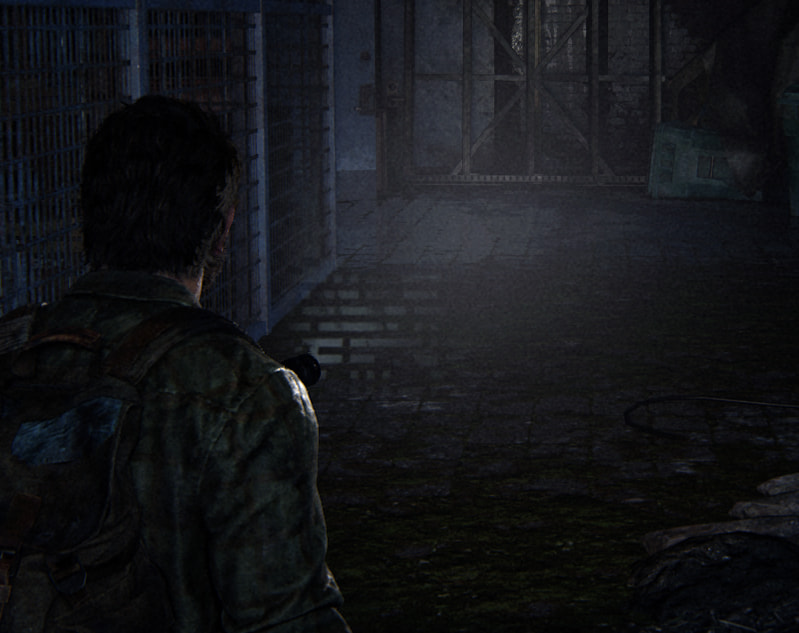
Screenshot_20260201_170512

531572832-b6973840-e912-40c0-977d-1a77ecff5390

531572832-b6973840-e912-40c0-977d-1a77ecff53901920×758 247 KB

These Games also crash sometimes with “Xid109 CTX SWITCH TIMEOUT“ Errors in the Journal, but I think this has already been reported. The crash does not always happen, but if it does, it will be in the first minute (or so) after loading a save. If it doesn’t crash then it probably won’t. It seems that waiting a few minutes in the start menu decreases the chance of it happening.
nvidia-bug-report.log.gz (936.6 KB)

This Artifacting still happens in the new 595 Driver.

Also, on my first try the game crashed again almost instantly after loading the save with an “CTX SWITCH TIMEOUT“ in the journal.

nvidia-bug-report.log.gz (782.2 KB)

I can confirm the issue in The Last of Us Part 1 on driver version 595.58.03. None of the in-game settings seemed to have an effect on the issue.


System Information:
Operating System: CachyOS Linux
KDE Plasma Version: 6.6.3
KDE Frameworks Version: 6.24.0
Qt Version: 6.11.0
Kernel Version: 6.19.10-1-cachyos (64-bit)
Graphics Platform: Wayland
Processors: 16 × AMD Ryzen 7 5700X3D 8-Core Processor
Memory: 32 GiB of RAM (31.3 GiB usable)
Graphics Processor: NVIDIA GeForce RTX 4080 SUPER
Product Name: X570S PG Riptide

nvidia-bug-report.log.gz (390.8 KB)

System:

  • GPU: NVIDIA GeForce RTX 4070 Ti (AD104)
  • Driver: 595.58.03
  • OS: CachyOS Linux (kernel 7.0.0-1-cachyos)
  • Desktop: KDE Plasma 6, Wayland session
  • Display: 4K @ 240 Hz, DisplayPort, HDR capable
  • Proton: proton-cachyos-10.0-20260408 (also tested Proton Experimental)
  • Vulkan: 1.4.329
  • Game: The Last of Us Part II Remastered (Steam AppID 2531310)

Description:

I’m encountering this as well. Persistent block/grid-pattern artifacts visible across the entire frame, most prominent on volumetric effects (dust, fog, atmospheric haze) but also visible on character models, snow, and environmental surfaces. The pattern appears as a regular grid of pixelated blocks that is clearly distinguishable from normal rendering noise. Artifact is present from the moment gameplay begins and does not resolve over time.

What I’ve tested and ruled out (one variable at a time):

Variable Values tested Artifact present?
DLSS model Transformer / Legacy Yes in both
Upscaler DLSS Quality / DLSS Balanced / DLAA (native) Yes in all
Frame Generation On / Off Yes in both
HDR On / Off (in-game) Yes in both
HDR swapchain env vars DXVK_HDR=1 + ENABLE_HDR_WSI=1 / removed Yes in both
Proton version proton-cachyos-10.0-20260408 / Proton Experimental Yes in both
Wayland path PROTON_ENABLE_WAYLAND=1 (native) / removed (XWayland) Yes in both
VKD3D_CONFIG dxr11 / removed Yes in both
Refresh rate 240 Hz / 120 Hz Yes in both
Texture Quality High / Medium Yes in both
Shadow Quality High / Medium Yes in both
Volumetric Effects Quality High / Medium / Low Yes in all
Particle Density High / Medium Yes in both
Film Grain 10 / 0 Yes in both
Chromatic Aberration 10 / 0 Yes in both
Motion Blur On / Off Yes in both

The artifact survives every upstream and downstream change, which points to the driver’s rendering path rather than any application, Proton, or compositor behavior. This is consistent with other reports in this thread
identifying the 590+ driver series as the regression point.

Screenshots:


nvidia-bug-report-anonymized.log.gz (403.1 KB)